
 OPINION · THE COST-OF-LIVING SERIES
The math behind Nigeria’s shortest-lived payday high
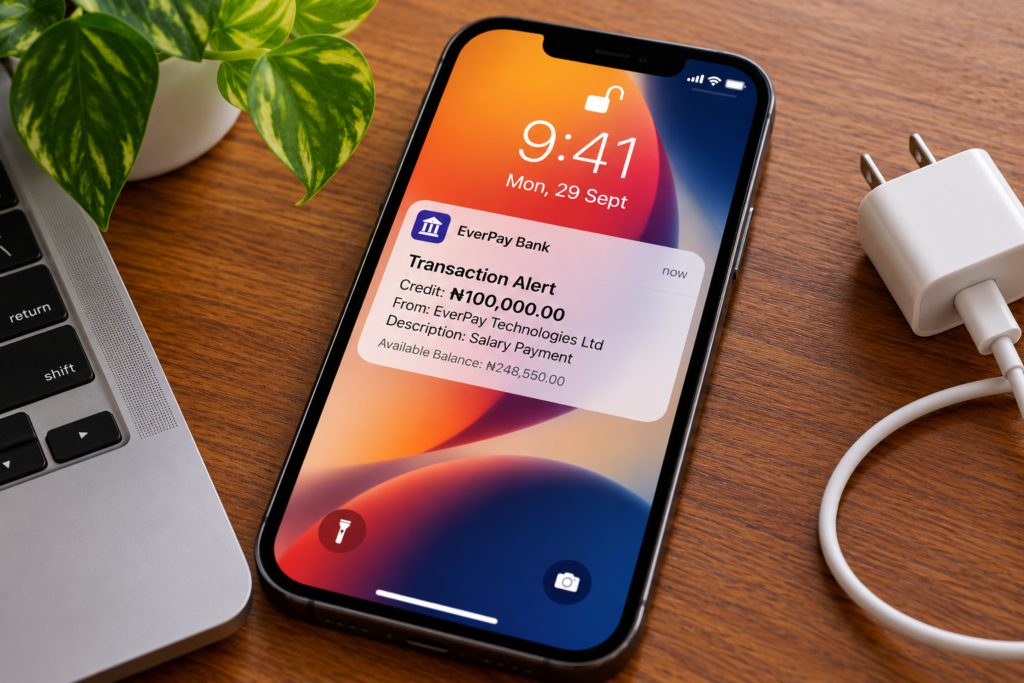
Payday in Nigeria has a very particular high. For about six hours, maybe a full day if you’re disciplined, that salary alert genuinely feels like victory. Then after a few debit alerts, it’s gone. Not stolen, or blown on recklessness, just quietly allocated for the landlord’s outstanding balance, transport top-up, a data subscription renewal, and a stack of small debts that had been patiently waiting since the 25th.
Let’s break down where the money actually goes to get the bigger picture. Transport alone now eats 10 to 20% of a typical Nigerian worker’s income, according to the 2026 Nigerian Workplace Report by Intelpoint and AltSchool Africa, and that’s before accounting for how fast fares keep climbing. NBS data shows the average intra-city bus fare hit ₦1,431 per trip in May 2026, up 38.6% year-on-year. For anyone doing two trips a day just to get to work and back, that alone is well over ₦60,000 a month; close to the entire statutory minimum wage which has been spent purely on getting to a job, even before a single meal is bought. Data and airtime renewal take another bite. With a usable monthly bundle now running roughly ₦5,000 to ₦15,000 or more and non-negotiable in an economy where job applications, banking, transfers and even side hustles all run through a smartphone. Then there’s food, still climbing at nearly 20% annually even as headline inflation cools, and rent, which landlords increasingly demand upfront in full-year or even two-year lumps rather than the monthly installments a monthly salary is actually built around. None of this is discretionary spending. It is the fixed cost of simply existing and staying employable in urban Nigeria.
By the time the euphoria wears off, so has the money, and what’s left is a continuous confused arithmetic of how your money moves this fast. Keep in mind that this is not laziness, and it is not bad budgeting, it is now the default experience for most working Nigerians, and the numbers confirm it isn’t just a feeling. Furthermore, A nationwide PiggyVest savings survey covering more than 26,000 respondents found that just 6% of Nigerians feel financially secure, while over half start every single month unsure their income will even cover basic expenses. Nigeria’s headline inflation eased to 15.39% year-on-year in August 2026, still far outpacing wage growth, and food inflation alone remains near 19.6%. Three in ten Nigerian adults report earning under ₦100,000 a month, according to national workforce data, a figure that on its own barely survives one month of transport and data, let alone rent or food. With this analysis, it is justifiable that watching a salary vanish within 72 hours of landing isn’t a personal failing anymore since the economy has refined what “earning a living” means.
Not convinced? There’s more data that backs up what Nigerian social media has been saying in memes for years. A PaidHR survey found that most Lagosians, that is, residents of the country’s wealthiest city, actually earn less than ₦100,000 a month, a figure that barely covers transport and data before rent or food even enter the conversation. Another separate analysis found that as much as 60% of Nigerians either earn below ₦100,000 or have no stable income at all, with PiggyVest’s co-founder Odun Eweniyi pointing out that nominal earnings have risen while the naira’s collapse means people are, in practice, earning more and affording less. Even Nigeria’s small formal-sector salaried class averaging roughly ₦200,000 to ₦250,000 a month isn’t spared: a Guardian Nigeria cost-of-living analysis found the ₦70,000 statutory minimum wage doesn’t cover a single adult’s food line in any Nigerian city, let alone rent or transport on top.
To reiterate, behind every “salary don land, where the money go” joke that trends online every month-end, is a dark humour standing in for a shared, well-documented economic reality. And “just budget better” was never going to close a gap this structural, especially when the majority of that informal workforce has no fixed monthly income to budget in the first place, only irregular daily takings that dry up the moment fuel prices spike or the roads flood.
Here is where it gets uncomfortable: the dominant public narrative still blames individual financial indiscipline, claiming that people should spend less on “lifestyle,” and cook at home, or stop going out for brunch as though a budgeting app and some spreadsheet discipline can out-math double-digit inflation and a currency that has lost most of its value since 2023. That narrative is convenient for everyone except the worker, because it quietly shifts blame away from wage stagnation, an eroding minimum wage, and a government whose own officials have acknowledged that ₦70,000 doesn’t meet basic needs, yet scheduled the next statutory review for 2027, which is three years after the current wage was even approved, by which point inflation will have moved the goalposts again.
Is the real crisis financial illiteracy, as bank and fintech adverts keep implying, or is it an economy that has structurally normalised mass underpayment as simply the cost of doing business in Nigeria? If a full-time salary genuinely cannot cover food, transport and shelter for one working adult, calling that a personal budgeting failure starts to look less like advice and more like distraction from the actual problem. It is also worth asking what this does to a generation over time because a decade of salaries that vanish in days doesn’t just strain a single month, it quietly erases the possibility of savings, home ownership, or any real financial cushion, no matter how “disciplined” the earner is.
Overall, the real question worth sitting with this month-end isn’t why your alert disappeared in three days, it’s this: is the fix to this reoccuring problem a more financial discipline from workers who are already stretched to breaking point, or a wage and pricing system that finally reflects what it costs to survive in Nigeria today?